
The Citadel of High Agency

Wealth is not what you have. Wealth is optionality and control.
Wealth is what survives contact with chaos.
Your bank balance is not the whole story.
That number on the screen is a lagging indicator. It is an echo. It tells you something about past decisions, past income, past discipline, past luck, and past leverage. But it does not tell you whether your life is structurally strong.
A person can have money and still be fragile.
Fragile health.
Fragile identity.
Fragile attention.
Fragile relationships.
You can even have money and suffer income fragility (asset rich, cash poor).
That is not wealth. That is exposure with a higher account balance.
True wealth is a structure. It is an operating system that protects your energy, directs your attention, compounds your capital, raises your standards, and gives you the ability to act when the world gets noisy.
That is the Citadel.
Warning: I am bit of a fortification geek. You’re about to learn why!
A citadel is superior to other types of forts because it is the ultimate inner stronghold, a fortified core within a larger defensive system.
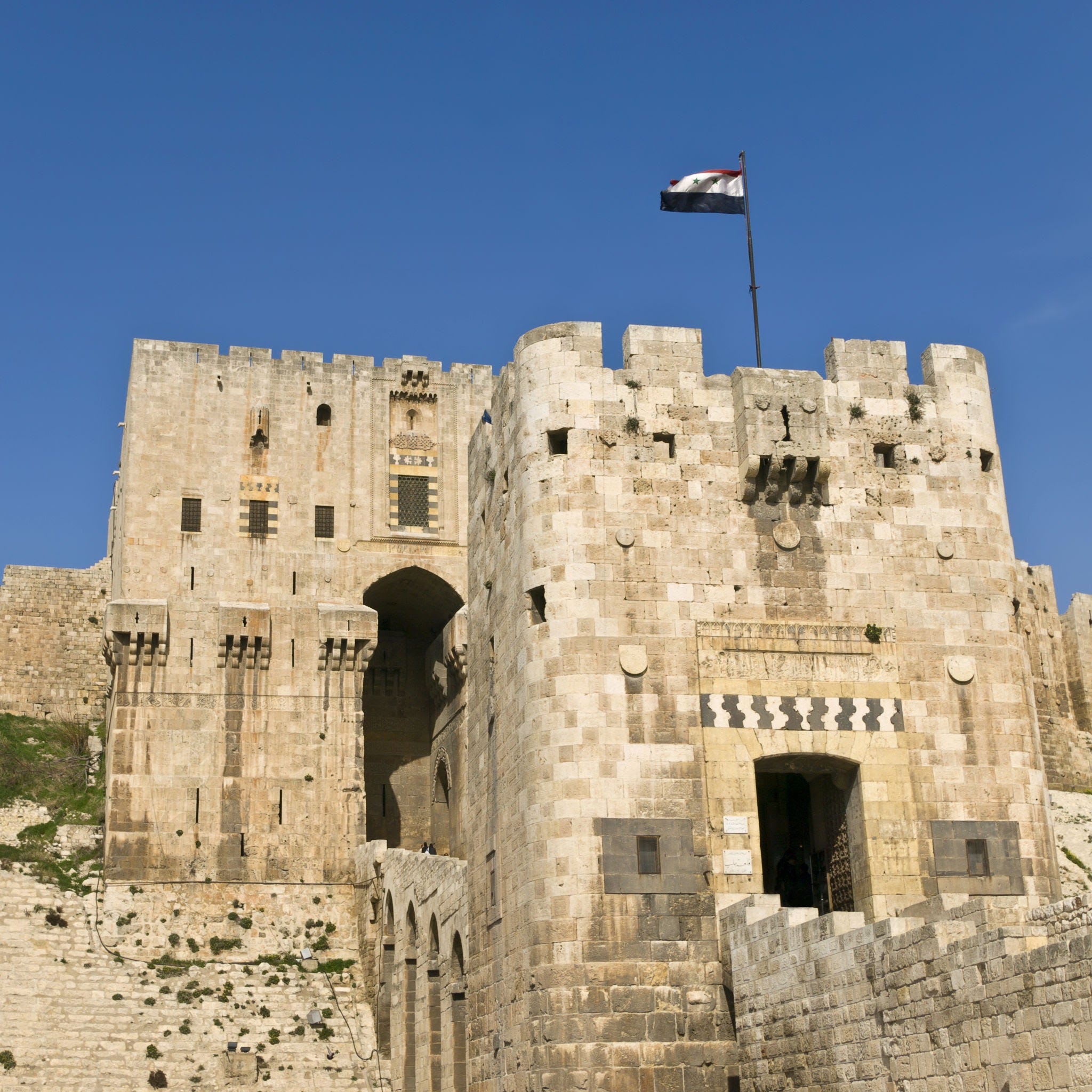
Unlike standard walls or towers that fall once breached, a citadel offers deep defense. If outer perimeters fail, defenders retreat to this elevated, heavily fortified command center to outlast sieges. It houses essential reserves like armories, water, and food, enabling prolonged resistance.
It dominates the city itself, protecting the rulers from external invaders and internal rebellions alike. By acting as an independent fortress within a fortress, the citadel transforms sudden defeat into a grueling multiple stage military conquest.
A citadel does not simply store value. It protects what matters. It creates distance from the chaos in the valley below. It gives you walls, gates, reserves, allies, archives, tools, and a command center.
It turns a scattered life into a fortified one.
High agency is the ability to shape reality instead of being shaped by default systems.
Low agency waits for permission.
High agency builds the structure.
Most people are not poor because they lack desire. They are poor in agency because their systems are porous. Their attention is leased to algorithms. Their health is outsourced to convenience. Their money has no assignment. Their peer group lowers the temperature. Their skills do not compound. Their calendar is a public utility for other people’s priorities.
They are not sovereign.
They are exposed.
The answer is not motivation. The answer is architecture. You need blueprints to build your citadel and iron laws to run it with.
Here are the ten laws of the Citadel.
1. Bio-Availability
You cannot build a fortress on a swamp.
Energy is the first layer of agency. Before money, before status, before strategy, before productivity, there is biology. If your sleep is broken, your glucose is unstable, your body is weak, and your nervous system is constantly inflamed, every decision is taxed before it begins.
Most people try to fix low agency with software.
New apps.
New calendars.
New dashboards.
New productivity systems.
But the body is the hardware. The mind is the software. You cannot run a high-performance operating system on damaged hardware.
Wealth begins biologically because every other form of leverage depends on energy. Your ability to think clearly, negotiate, build, train, learn, sell, write, invest, and lead all flow from the physical machine carrying you through the world.
This is not about vanity.
It is about capacity.
A strong body creates a wider margin for stress. A regulated nervous system gives you a longer fuse. Stable energy lets you stay patient when others panic. Physical resilience gives your ambition somewhere to live.
Do not treat your body like a rental car.
Treat it like critical infrastructure.
The operating question: what weakens my energy, and what would happen if I removed it for 30 days?
“Your body is a temple” is ancient wisdom. Everybody knows it.. even if they don’t always practice it. The next law of the citadel is more modern and less often discussed.
